Skip to content
Silver Lining Foreclosure Solutions

California county guide

Fresno County Homeowner Options: Foreclosure, Taxes & Liens

Central Valley homeowners in Fresno County can explore keep-the-home and sale options with clear information.

Updated November 21, 2026

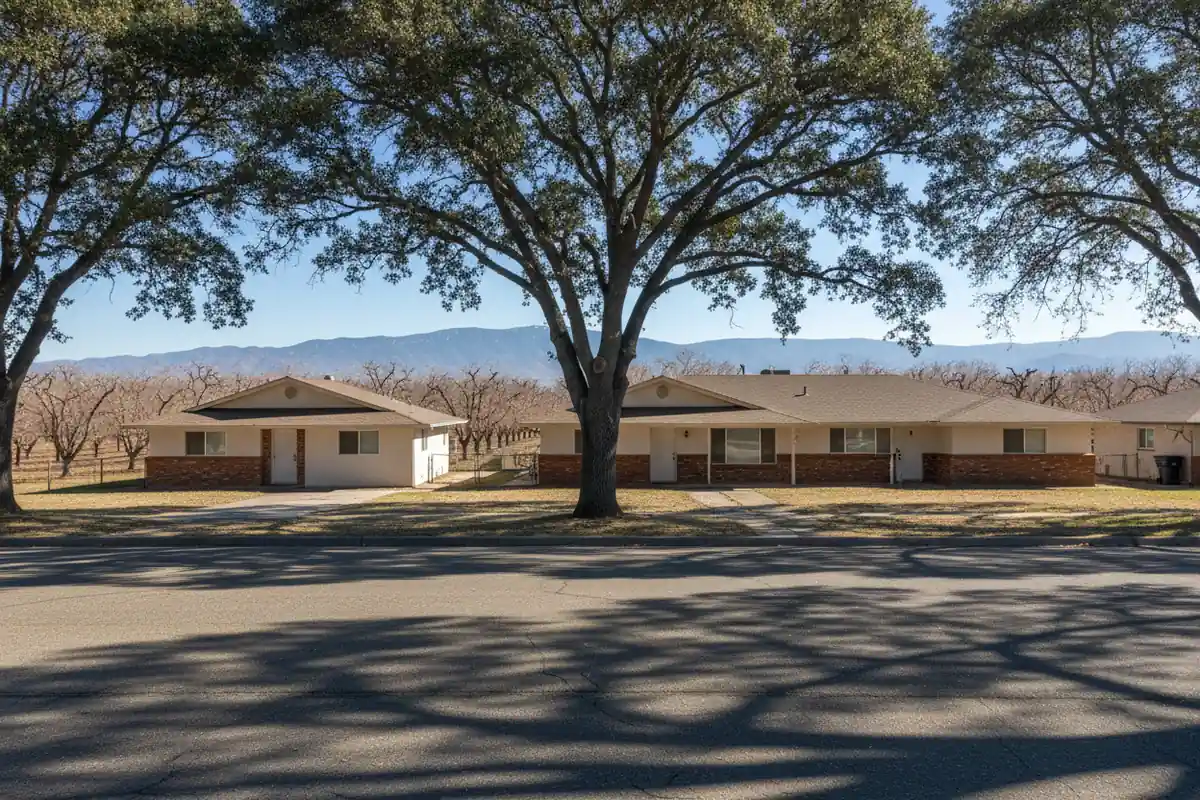
Ranch homes beside Fresno County almond orchards, where owners weigh their options.
Immediate local answer

Fresno County foreclosure help: how a notice of default starts the three-month period, when tax-defaulted homes can be sold, and how judgment liens attach.

On this page
  1. Local Snapshot: What Fresno County Homeowners Are Facing
  2. Common Situations Here: Missed Payments, Tax Default, and Recorded Liens
  3. Local Offices and Records in Fresno County
  4. Options for Owners in This Area
  5. Local Costs and Timing in Fresno County
  6. Frequently asked questions
  7. Sources

If you are behind on a mortgage, on property taxes or facing a judgment lien in Fresno County, you still have options. These include bringing the loan current, asking the servicer for a modification or forbearance, redeeming defaulted taxes, or selling. California law sets the steps. A trustee's sale cannot happen until a notice of default has been recorded and at least three months have passed.

You may be holding a letter from a loan servicer, a recorded notice, or a tax bill marked delinquent. You may be trying to work out whether the house can be kept, and what each path would ask of you. Silver Lining Foreclosure Solutions is a California website for homeowners facing foreclosure. This page sets out the Fresno County offices and records that matter. It explains the stage your notice marks, and it covers the keep-the-home options before the sale options.

Local Snapshot: What Fresno County Homeowners Are Facing

Three situations bring a Fresno County homeowner to this point:

  • A mortgage in default.
  • Property taxes that have gone unpaid.
  • A money judgment recorded against the house.

Each one runs through Fresno County records, but the rules come from state law, so the same steps apply here as anywhere in California.

For a mortgage, the foreclosure process under a deed of trust starts with a notice of default. A deed of trust is the document that secures a home loan. The notice of default is filed for record with the county recorder, under Civil Code section 2924.

For property taxes, the Fresno County Assessor sets the taxable value. The Fresno County Auditor-Controller/Treasurer-Tax Collector bills and collects the tax. Rev. & Tax. Code section 3691 gives the tax collector the power to sell tax-defaulted property after the periods it states.

For a judgment, Code of Civil Procedure section 697.310 creates a lien on real property when an abstract of the judgment is recorded with the county recorder. An abstract is a short summary of the judgment.

The way out of each situation depends on the facts. That includes the loan documents, the dates of each notice, what is owed and to whom, and how title is held.

Common Situations Here: Missed Payments, Tax Default, and Recorded Liens

A missed mortgage payment. A missed payment is a breach of the loan, but a breach alone does not start a sale. Under Civil Code section 2924, the power of sale cannot be used until the trustee, the lender or their authorized agent first files a notice of default with the recorder of the county where the property sits. The first formal step therefore shows up in the public record.

California law also generally expects the servicer to contact the borrower about options before a notice of default is recorded. A housing counselor or attorney can explain how that pre-foreclosure contact requirement applies to a particular loan.

The notice of default. The notice must include the following:

  • It identifies the deed of trust.
  • It states that a breach has occurred.
  • It sets out the nature of each known breach and the lender's choice to sell.
  • If the default is curable, it includes a statement about curing it.

For a home with no more than four units, a summary in English and other languages must be attached to the copy given to the borrower. Only the holder of the loan, the trustee or their designated agent may record it.

The notice of sale. Not less than three months must pass after the notice of default is filed. After that, the trustee gives a notice of sale stating its time and place. The trustee may record the notice of sale up to 5 days before the three months end, but only if the sale date is no earlier than three months and 20 days after the notice of default was recorded. At this stage, a sale date has been set.

Tax default. Under Rev. & Tax. Code section 3691, the tax collector may sell residential property five years or more after it becomes tax defaulted. For nonresidential commercial property, the period is three years. A home in tax default is not sold right away, but the debt keeps building.

A judgment lien. Under Code of Civil Procedure section 697.310, the lien is created when an abstract of a money judgment is recorded with the county recorder. From then on, the debt is tied to the house itself.

Local Offices and Records in Fresno County

The county recorder. Notices of default, notices of sale and abstracts of judgment are recorded with the county recorder. A recorded copy shows the date the notice went on record, and the statutory periods run from that date.

The Fresno County Assessor. The Assessor - County of Fresno page lists the office's duties, including the following:

  • It locates taxable property.
  • It identifies who owns or controls property on January 1, which it calls the Lien Date.
  • It tracks changes in ownership.
  • It sets assessed values.
  • It maintains the mailing address for tax bills.

The same page says the Assessor does not issue tax bills or collect taxes. It also offers an assessed value lookup by address or parcel number, which shows what the county has on file for the parcel.

The Fresno County Tax Collector. The Property Tax Information - County of Fresno page belongs to the Auditor-Controller/Treasurer-Tax Collector. It explains billing, payments, penalty cancellations, and the county's tax sale and excess proceeds information.

Counseling and assistance. Independent HUD-approved housing counseling agencies help homeowners review a default with their servicer. The California Mortgage Relief Program is a statewide program; its own pages state whether it is taking applications. None of these organizations is connected with this site.

Options for Owners in This Area

Options that keep the home come first.

Reinstatement. Reinstatement generally means paying what is past due, with the allowed fees and costs, so the loan is current again, but under Civ. Code § 2924c this right exists only within the period that section specifies when a power of sale is being exercised. The cure statement required in a notice of default for a curable default is where the lender sets out what reinstatement involves.

Loan modification. A loan modification is a written agreement with the loan servicer, the company that collects payments, that changes the loan's terms. Whether a modification is offered depends on the servicer's requirements and the homeowner's finances. No outcome is assured.

Forbearance. Forbearance is an agreement to pause or reduce payments for a time, often after a hardship. The skipped amounts still have to be handled under the agreement's terms.

Bankruptcy. Filing for bankruptcy generally triggers an automatic stay under federal law. The stay arises automatically on filing, without a court order, and pauses most collection actions, including a foreclosure sale; a court may grant relief from the stay in certain circumstances. A bankruptcy attorney addresses whether and how that applies.

Tax redemption. Redemption means paying what is owed to clear tax-defaulted property. Under Rev. & Tax. Code section 3691, the power of sale applies only to property "that has not been redeemed." If only part of a parcel is sold, the rest stays subject to redemption.

If keeping the home is not workable, sale options follow.

A short sale. In a short sale, the home is sold for less than the loan balance. The lender must approve it.

Listing with an agent. Listing with a real estate agent puts the home on the open market before a sale date. This can bring more buyers, but it means showings, preparation and a commission.

A direct sale. A direct sale to a buyer who pays cash and takes the house as it is involves less preparation, fewer showings and less dependence on a buyer's loan. In exchange, the price is often lower than an open-market sale would bring, because that buyer takes on the repairs, the risk and the cost of reselling. The required notices, disclosures and liens stay the same whoever buys.

Owners often compare written offers and estimated net proceeds to see which path fits. Net proceeds are the price less commissions, repairs, carrying costs, loan payoffs and closing costs.

Local Costs and Timing in Fresno County

Money owed keeps growing while each process runs, so timing and cost are tied together.

Property taxes. The Fresno County Tax Collector's page gives these dates for the 2026–27 secured tax bill:

  • The first installment is delinquent if not paid by December 10, 2026, 5:00 PM.
  • The second installment is delinquent if not paid by April 12, 2027, 5:00 PM.
  • A 10% penalty is added at the first deadline.
  • A 10% penalty plus a $10.00 cost is added at the second deadline.

The page says property not paid in full by June 30 is "subject to 1.5% penalty per month in addition to other fees as well as being considered in default." It also lists a tax-defaulted reoffer sale scheduled for November 23, 2026, held on the Internet.

The mortgage. Civil Code section 2924 sets the three-month period described above. When a sale is postponed for at least 10 business days, the borrower must get written notice of the new date no later than 5 business days after the postponement, so a postponement does not happen silently.

Judgment liens. Under Code of Civil Procedure section 697.310, a judgment lien continues until 10 years from the date the judgment was entered. That applies unless the judgment is satisfied or the lien is released, and it is subject to renewal of the judgment. A sale or refinance generally has to account for the lien.

Recording fees. Current recording fees are set by the county recorder.

The recorded notice itself, or the parcel's tax status on the Tax Collector's page, shows the date from which the periods on this page run.

Nearby counties

Free to ask · You decide

Not sure which path fits?

Share a few details and we'll help you understand options to keep or sell — on your timeline.

Explore my options Call (888) 274-9351

Free to ask

Tell us about your situation

Share a few details. You decide what happens next.

Privacy PolicyTerms of Use

Testimonials

I didn't want promises that a cash buyer could magically stop foreclosure. I wanted real numbers and deadlines.

P.C., Vista, CA

Talk to a HUD-approved counselor

Independent housing counseling is generally free or low-cost. We encourage it no matter which path you choose.

Search HUD's counselor directory ↗

Frequently asked questions

How long before a house goes into foreclosure in California?

The count starts when the notice of default is recorded, not when the payment is missed. At least three months must pass before the notice of sale follows. Before the notice of default, there is no recorded starting point.

Can a foreclosure be stopped or postponed?

Yes. Reinstating the loan, filing for bankruptcy, or reaching an agreement with the lender can each affect a sale. Which one applies depends on your loan and your finances. No outcome is assured for any of them.

What happens to my Fresno County property if I don't pay property taxes?

The unpaid tax first draws penalties, then the property goes into default. After the period the statute sets, the tax collector may sell it. Even after that, redemption generally remains possible until the close of business on the last business day before the tax sale begins (Rev. & Tax. Code § 3707). The Fresno County Tax Collector's office answers questions about a specific parcel.

What is a judgment lien and how does it affect my Fresno County property?

It is a creditor's claim attached to your real property by a recorded abstract of judgment. A title company will generally find it before a sale or refinance closes. A contested lien is a dispute for an attorney.

Where is a Notice of Default recorded in Fresno County?

It is recorded with the county recorder for the county where the property is, which for your home is Fresno County. The recorded date matters because the statutory periods run from it.

What is the difference between a short sale and selling before the trustee's sale?

A short sale needs the lender's approval because the price will not cover the loan. An open-market sale before the sale date can pay the loan off in full if the price is high enough. Each option has its own costs and timing.

Does the Fresno County Assessor collect my taxes?

No. The Assessor's own page says it does not issue tax bills or collect taxes. Payment questions go to the Tax Collector.

Sources

Statutes, regulations and court sources

  1. 01Cal. Civil Code section 2924 · California Legislative Information
  2. 02Cal. Rev. & Tax. Code section 3691 · California Legislative Information
  3. 03Cal. Code of Civil Procedure section 697.310 · California Legislative Information

Other sources

  1. 04Assessor - County of Fresno · fresnocountyca.gov
  2. 05Property Tax Information - County of Fresno · fresnocountyca.gov